
-
The European economy is falling too far behind the USA – but the trend is better than many fear
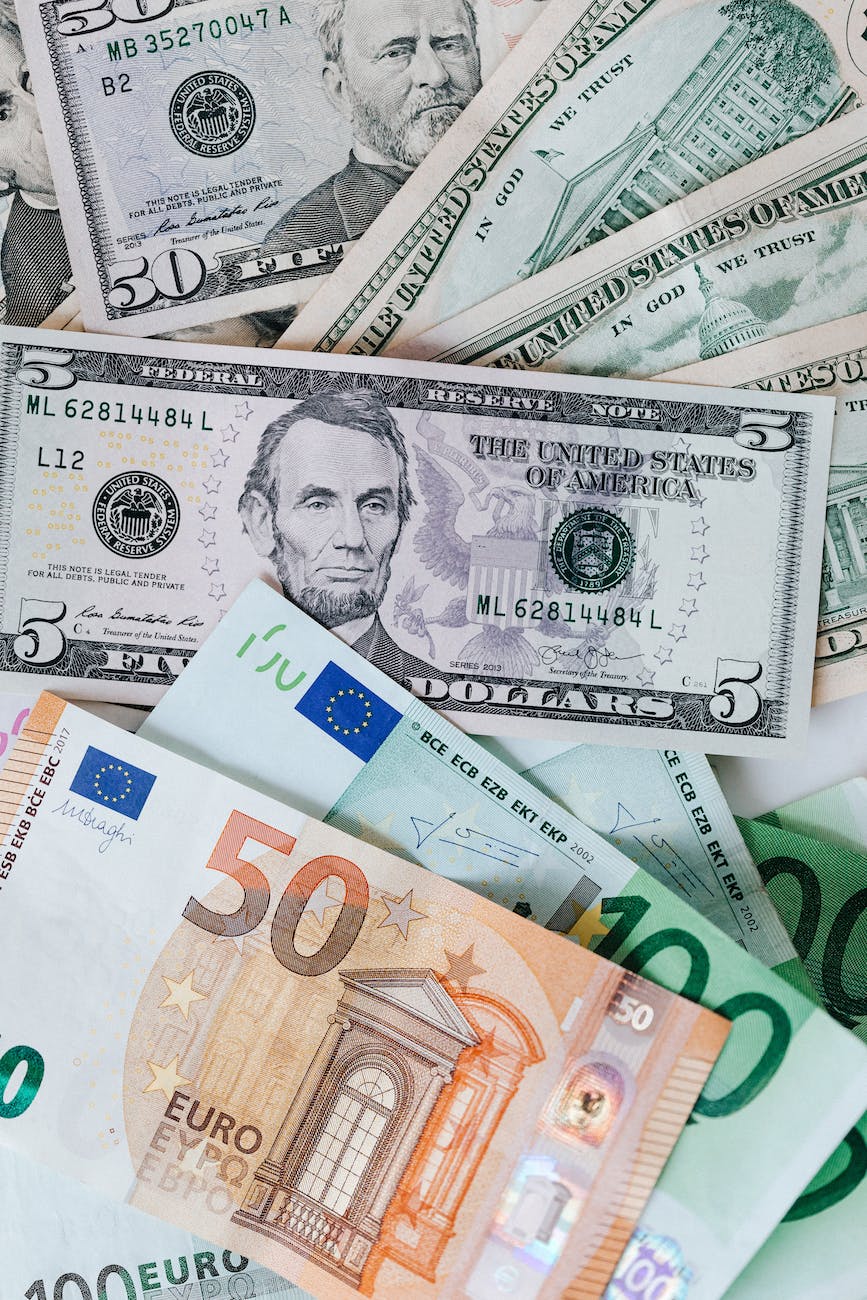
The fact that the eurozone is falling behind the US is, therefore, not a purely continental European phenomenon and should not be prematurely labeled as a decline.
-
What our Network liked in March (selection): Data sources in international finance and macroeconomics, the regulation of decentralized finance, a new dataset of foreign exchange interventions, and much more…

Our network organized an exciting public lecture at the University of Bern
-
What the International and Monetary Economics Network liked last week: Productivity gap between Europe and the United States, data on foreign exchange interventions, a review of the ECB meeting, and much more…
Productivity gap between Europe and the United States
-
What we liked last week: Monetary policy responses to inflation, weak European productivity, CBDC for International Payments, and much more…

While the United States has experienced a strong recovery from the pandemic, European economies are going through difficult times.
-
What the International and Monetary Economics Network liked last week: Inflation in the euro area, China’s new currency playbook, the failure of Silicon Valley Bank, the global shipping industry, and much more…
Interesting interview in the Financial Times (Martin Arnold) with Isabel Schnabel from the European Central Bank. Worth reading!
-
What the International and Monetary Economics Network liked this week: The inflation attention threshold, searching for the Phillips curve, the soft landing of the US economy, and much more…
In 2022, major central banks started to tighten monetary policy more or less in parallel. What are the (international) economic effects of such synchronous monetary tightenings?
-
What the International and Monetary Economics Network liked this week: International spillovers of synchronous monetary tightening, soft landing, push and pull factors for migration, digital trade law, and much more…
The Fed seems to be on track to achieve a so-called soft landing, so reduce inflation without causing a recession. One should not celebrate too early, but it is the right moment to read this article by Alan Blinder.
-
US economy: on course for a soft landing so far – political risks are high
The presidential elections are coming up in the United States this year. This is reason enough to take a closer look at the US economy.